
Tours and Excursions in Montevideo
The charming Uruguayan capital on the banks of the Rio de la Plata.
0
Activities
Showing 0 tours
Travel info
Montevideo is a capital on a human scale, easy to explore on foot and full of character. Its historic heart is the Ciudad Vieja (Old Town), with cobbled streets, colonial buildings, Plaza Independencia and the iconic Palacio Salvo. From there stretches the Rambla, the famous waterfront promenade that follows the Río de la Plata for dozens of kilometers and serves as the city's biggest open-air 'living room' — perfect for walking, cycling and watching the sunset.
To feel the everyday rhythm of Uruguay, explore Pocitos, a seaside residential neighborhood with an urban beach and cafés; the Centro, with the busy Avenida 18 de Julio; and the bohemian Parque Rodó. Don't miss the Mercado del Puerto, a temple of grilled meats (parrillas), and the peaceful Plaza Matriz in the Old Town.
For Brazilian travelers, entering Uruguay is simple: the country is part of Mercosur, so no visa is required. You can travel with just a valid passport (Brazilians may also use the original national ID/RG with a recent, clear photo). Always carry a document with a sharp, legible photo to avoid issues at the border or airport. Travelers of other nationalities should check visa rules according to their country of origin.
The local currency is the Uruguayan peso (UYU). The US dollar is also widely accepted in hotels and many tourist-oriented businesses. It's worth exchanging part of your money at exchange houses ('cambios'), which usually offer good rates, and carrying an international card for withdrawals and purchases. Always check that card payments are charged in Uruguayan pesos to avoid unfavorable conversions.
Uruguayan cuisine is a celebration of meat. Its great symbol is the asado, the wood-fired barbecue, best experienced at the parrillas of the Mercado del Puerto, where the aroma of burning wood fills the air. Try cuts like tira de asado and chorizo, plus the classic provoleta (grilled provolone cheese). The chivito, a hearty sandwich of steak, egg, cheese, ham and salad, is practically a national dish.
To go with it, nothing is more Uruguayan than mate, the herbal infusion locals carry everywhere, and wines made from the Tannat grape, the flagship of the country's wineries. For dessert, try sweets made with dulce de leche and the alfajor. Montevideo's cafés and bakeries are also great spots for a relaxed break.
The neighborhood you choose shapes your experience. Pocitos is a favorite among many visitors: it has an urban beach, a pleasant waterfront, restaurants and a safe residential feel — great for those who want peace and quiet near the sea. The Centro and the area around Avenida 18 de Julio offer plenty of hotels across price ranges, with easy access to transport and shops.
Those seeking historic charm and cultural life can stay in the Ciudad Vieja, close to museums, restaurants and the Mercado del Puerto — just pick busier streets and take the usual care at night. Neighborhoods like Punta Carretas and Parque Rodó are also well regarded, combining safety, good food and proximity to the Rambla.
The most common way to arrive is by plane, through Carrasco International Airport, about 20 km from downtown, with flights from several Brazilian cities. Another classic route is via Buenos Aires, crossing the Río de la Plata by ferry to Colonia or directly to Montevideo — a very popular experience for those combining both destinations. International buses also link the capital to Brazil and Argentina.
Within the city, the urban bus system is extensive and inexpensive, covering nearly every neighborhood. Taxis and ride-hailing apps work well and are a good option at night. Many points of interest, however, are clustered together and can be reached on foot or by bike, especially along the Rambla, in the Ciudad Vieja and in Pocitos.
Start with a walking tour of the Ciudad Vieja, taking in Plaza Independencia, the Palacio Salvo, the Teatro Solís and Plaza Matriz, and finish at the Mercado del Puerto for a parrilla lunch. Cycling or strolling along the Rambla at dusk is almost a must, as is the classic photo at the Montevideo letters on the Rambla in Pocitos. Football fans shouldn't miss the Estadio Centenario and its museum, a symbol of the first-ever World Cup.
The city is also a great base for day trips: the historic Colonia del Sacramento, a UNESCO World Heritage Site, is just a few hours away, and the glamorous Punta del Este is an easy destination for a beach day. Wine tours through Tannat-grape wineries on the outskirts and visits to museums such as the Carnival Museum round out the experience.
Montevideo offers great shopping for typical products. Highlights include excellent-quality leather and wool goods, and accessories tied to mate: gourds, metal straws and herbs to take home as souvenirs. Semi-precious stones such as amethysts and agates, abundant in the region, are also a classic buy. Avenida 18 de Julio and its surroundings are full of shops, while the Ciudad Vieja has charming workshops and antique stores.
It's worth saving a Sunday for the Tristán Narvaja street market, a huge open-air fair with antiques, books, vinyl records, handicrafts and curiosities — a cultural experience in itself. For all-in-one, air-conditioned shopping, there are malls such as the one in Punta Carretas. Don't forget to take home Tannat wines, alfajores and dulce de leche sweets.
Montevideo's nightlife is laid-back and authentic, without the excess of big metropolises but with great spots for every taste. The Ciudad Vieja is full of bars, tango houses and live-music venues, especially on weekend nights. Neighborhoods like Parque Rodó and the Pocitos and Punta Carretas areas gather breweries, pubs and cafés that stay lively until late.
The cultural scene is strong: candombe, a drum-based rhythm with Afro-Uruguayan roots, echoes through the streets and is recognized as Intangible Cultural Heritage of Humanity. During Carnival — the longest in the world — the city fills with murgas and parades. It's also worth catching a performance at the historic Teatro Solís for a more cultural evening.
Montevideo is one of the calmest and safest capitals in South America, with a mild climate and welcoming people. Even so, it's wise to take the usual precautions of any big city, especially at night and in quieter areas. Here are the essential practical details:
From our blog
Topic: Neighborhoods and tourist attractions
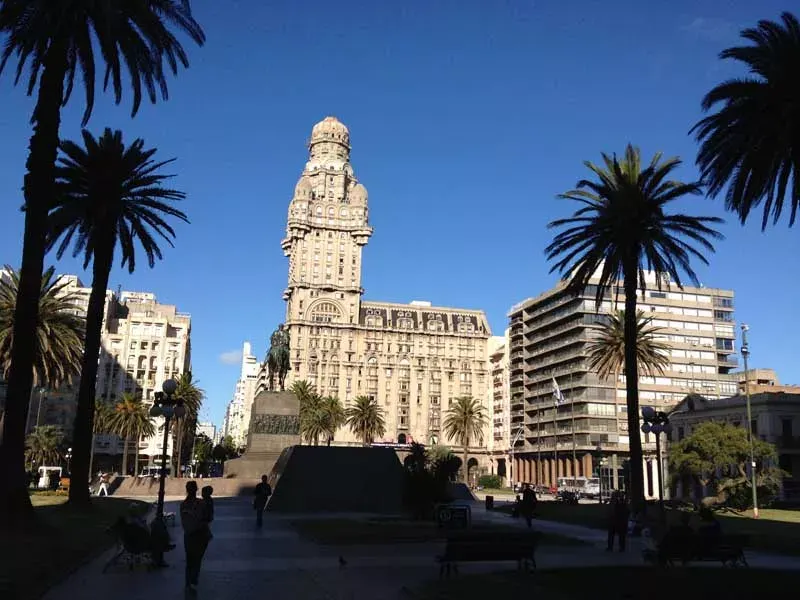 Montevideo
From the historical charms of Ciudad Vieja to the beaches of Pocitos and the vibrant culture of Palermo, discover the best that Montevideo has to offer in each neighborho…
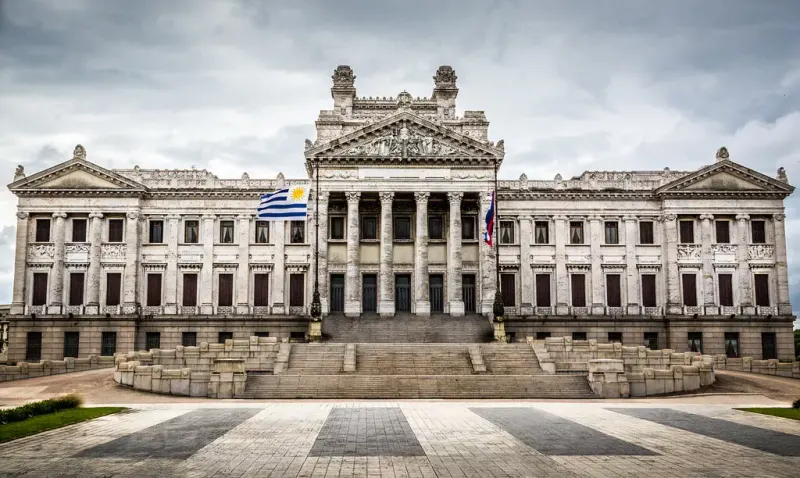 Montevideo
Explore the best tours in Montevideo: Ciudad Vieja, Rambla, Mercado del Puerto, Teatro Solís and much more. Experience the best of the Uruguayan capital.
Complete guide
Montevideo, Uruguay, is one of South America's most popular destinations. The charming Uruguayan capital on the banks of the Rio de la Plata Discover the city with trusted local guides, private transfers and handpicked experiences from Guia Receptivo.
With Guia Receptivo, you can choose the best ways to experience Montevideo, from guided visits and city tours to private transfers and full-day excursions. Every experience includes local support, flexible cancellation and genuine traveler reviews.