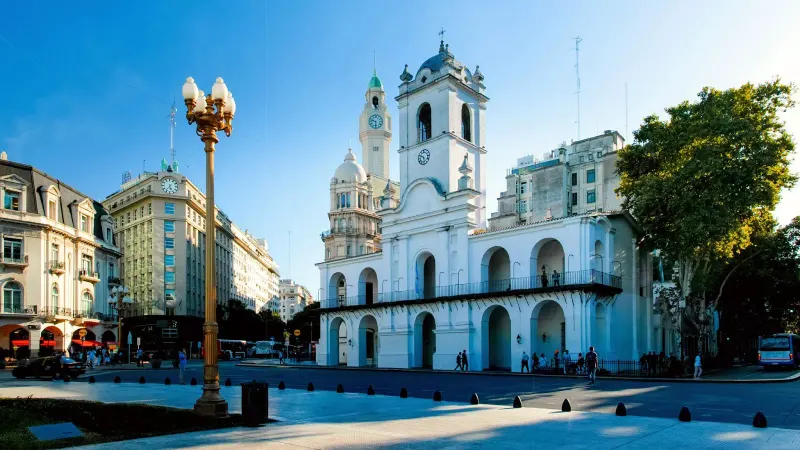
Explore the Cabildo of Buenos Aires: a living symbol of Argentine history
The Cabildo of Buenos Aires is a historic building built between 1725 and 1751 that once served as the seat of colonial administration. Located on the iconic Plaza de Mayo, one of the main tourist attractions of the Argentine capital, the Cabildo has undergone several modifications over the centuries. It is an essential stop on any Buenos Aires itinerary.
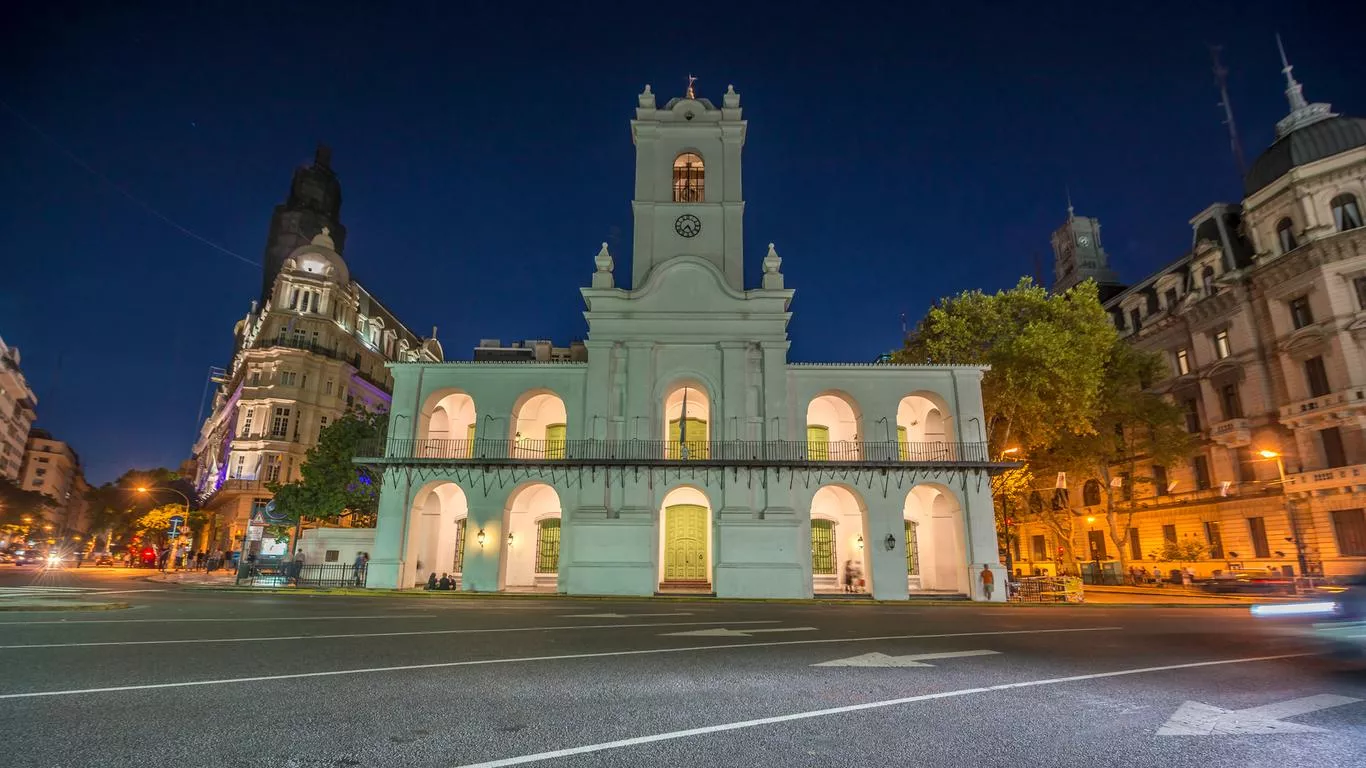
History: From Prison to the May Revolution
Originally, in the 17th century, the building had adobe walls (mud bricks) and a thatched roof. It was only in 1610 that it received a tile roof. The name "Cabildo" refers to the municipal institution that administered the Spanish colonies. In Argentina, the term was also used to designate the place where these meetings took place.
However, the Cabildo was not just a place for administrative meetings. The building was divided into two spaces and also housed a prison. An interesting fact is that it was in this place that the initial landmark of Argentina's independence took place: the declaration of the May Revolution of 1810.
Architecture and the National Historical Museum
Regarding the reconstruction works, the building underwent an extensive renovation in 1725, when its structure was quite damaged. It was then decided to demolish the original building and rebuild it. The new architectural project was conducted by the Italian Jesuit Andrés Blanqui, resulting in the building we know today.
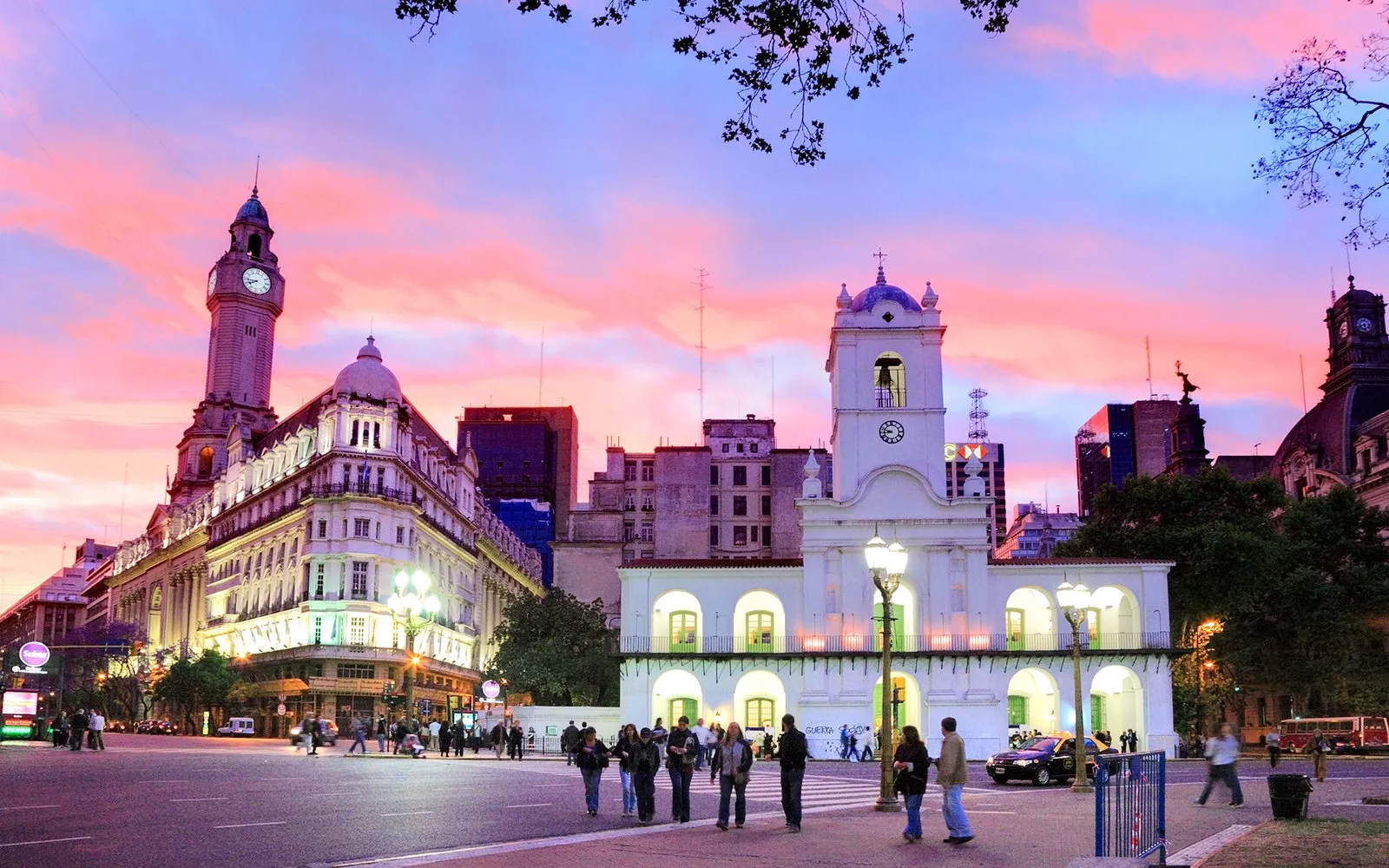
Although it was inaugurated in 1740, the second floor was only completed eight years later. Today, the Cabildo houses the National Historical Museum of the Cabildo and the May Revolution. The museum was opened to the public in 1939, initially with exhibitions only on the ground floor. Currently, visitors have the opportunity to explore not only the ground floor, but also other rooms of the building, where historical documents, ancient objects and paintings are displayed, such as the iconic work "Cabildo Abierto del 22 de Mayo", by the Chilean artist Pedro Subercaseaux.
A notable example is the Arca de Caudales, a box where the coins from taxes paid by citizens to the Cabildo were stored. The walls of the museum offer a fascinating view of the history of Buenos Aires. Although it is a historical museum, technology has also been incorporated, such as the touch screens installed in 2010, which allow the active participation of the public.
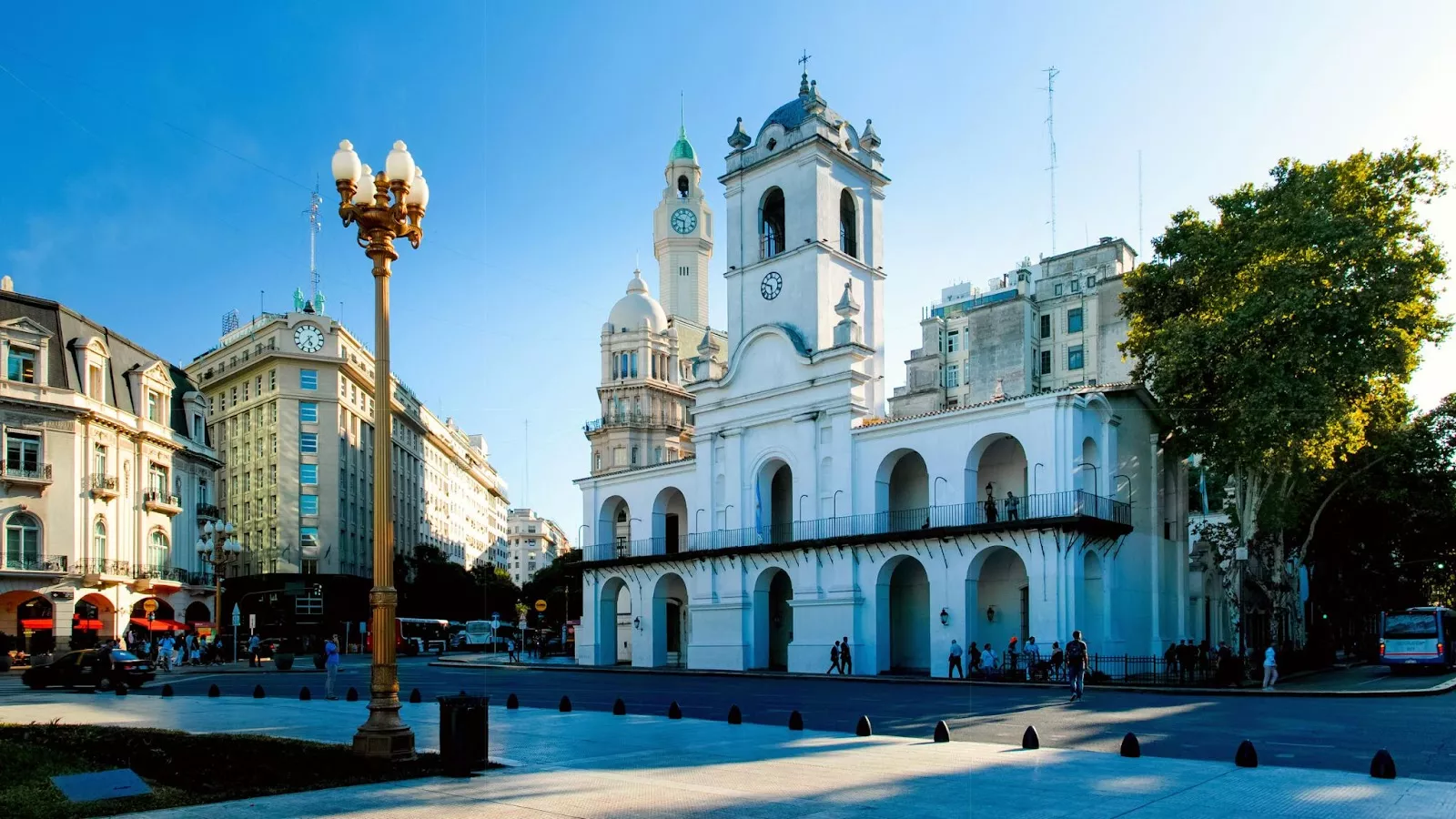
Visit the Cabildo
Visiting the Cabildo is a unique opportunity to immerse yourself in the history of Buenos Aires and understand the significant role it played in the formation of the Argentine nation. It is an unmissable tour and, being free, it is a great tip for what to do in Buenos Aires without spending a lot. Be sure to explore every corner of this historic building and enjoy the museum's exhibitions.